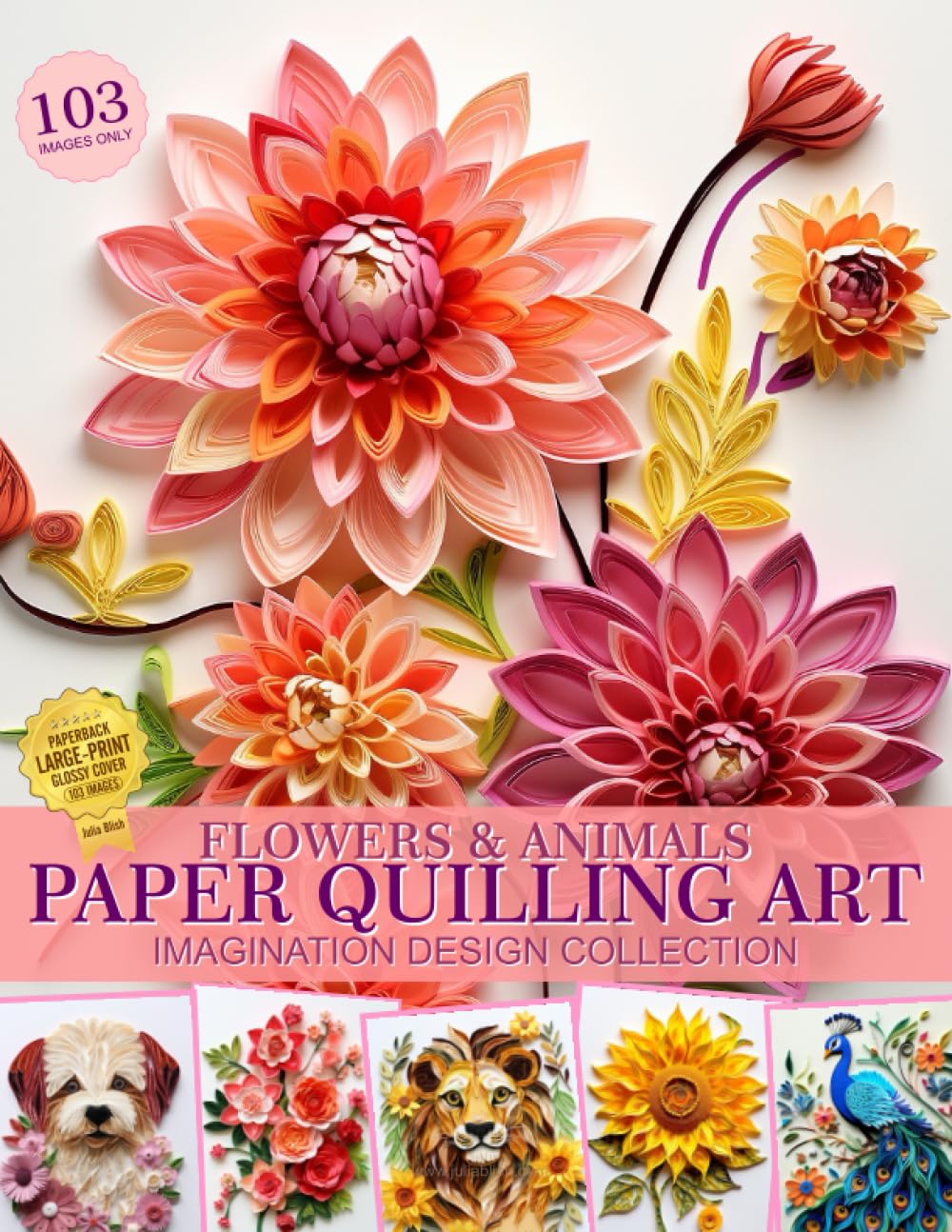
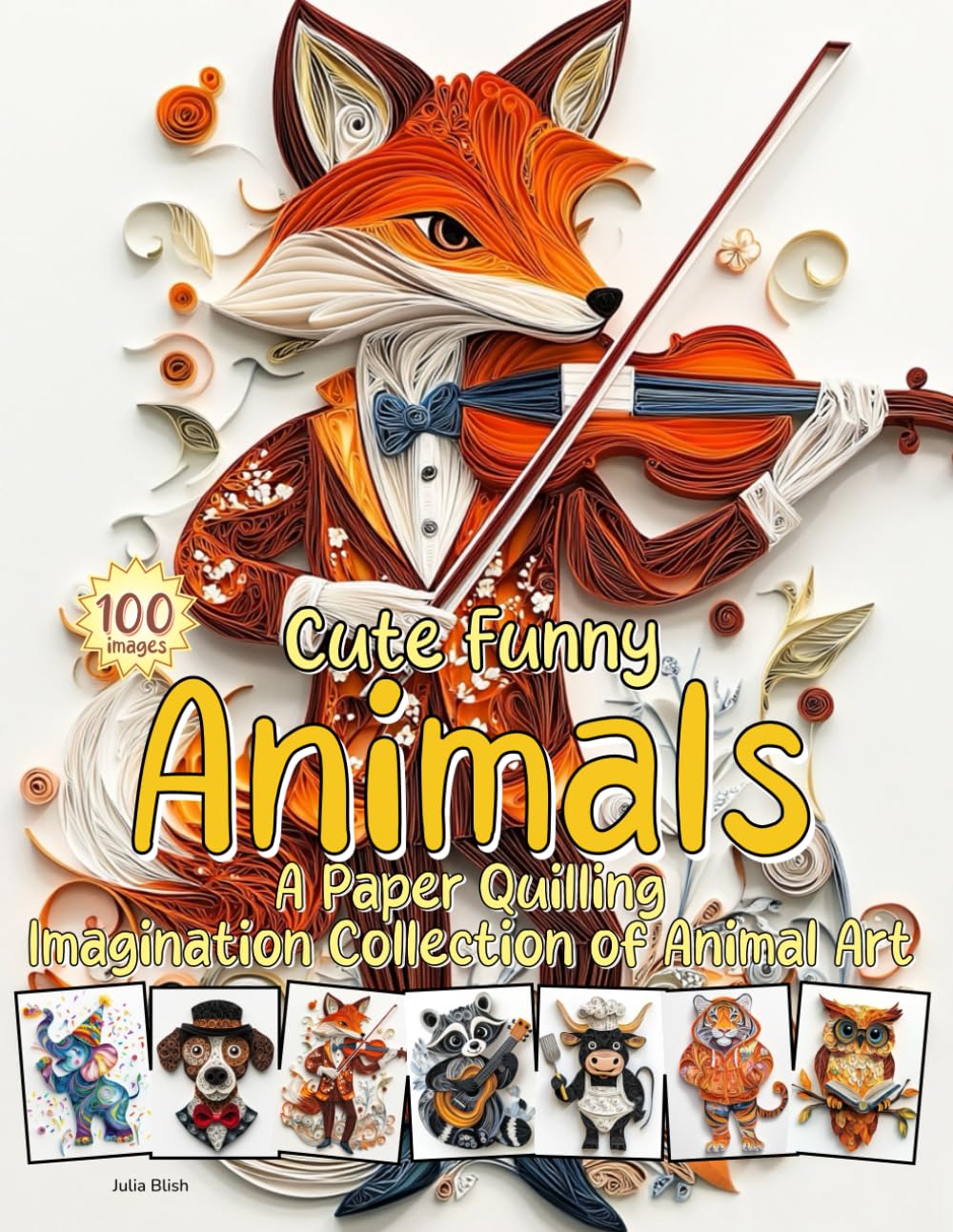
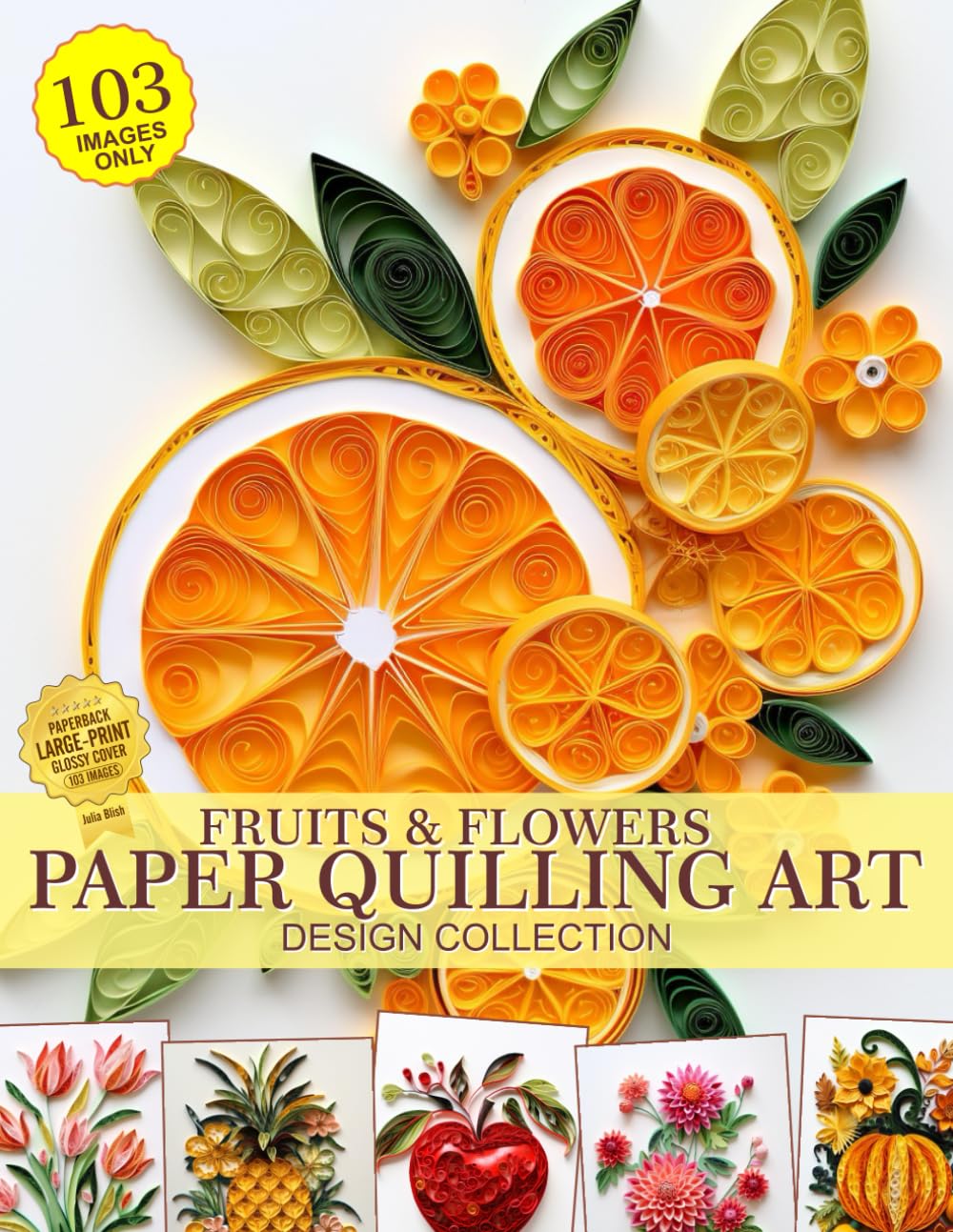
If you've been quilling late into the evening or packing up coloring kits for your next craft fair, you've probably wondered where those creations should live online. The marketplace landscape keeps shifting, and 2026 has brought some real changes worth knowing about before you list your next batch of handmade goods.
Etsy: Still the Home Base, But Fees Matter More Than Ever
Etsy remains the first stop for most paper crafters, and for good reason — buyers still search there specifically for handmade quilled art, coloring pages, and craft supplies. However, transaction and payment processing fees have crept up again this year, so it's worth running the numbers on your pricing. Etsy's search algorithm now favors shops with fast shipping times and video listings, so a quick 10-second clip of your quilling technique can genuinely boost visibility.
Amazon Handmade: A Slower Climb, But Real Reach
Amazon Handmade continues to be a solid secondary channel, especially if you already sell books or kits on Amazon. The application process is still more involved than Etsy's, and approval can take a few weeks, but the payoff is access to Amazon Prime shoppers who may never think to search Etsy. If you sell paper quilling kits alongside your books, cross-promoting between your Author Central page and your Handmade shop is an underused trick.
Newer Contenders Worth Watching
A few platforms have gained real traction with fiber and paper artists this year:
- Faire — originally built for wholesale, it's become a favorite for crafters wanting to sell to boutiques and gift shops rather than individual customers.
- Shopify storefronts — more crafters are building their own small shops using Shopify's simplified templates, paired with Instagram and Pinterest for traffic. You keep more of every sale, but you're responsible for your own marketing.
- Depop and Whatnot — surprisingly, live-selling apps have started attracting craft sellers doing real-time quilling demonstrations, which builds trust fast with younger buyers.
What's Changed for Craft Sellers This Year
A few trends are shaping how buyers find handmade goods right now:
- Shoppers increasingly search using natural, conversational phrases like "handmade paper flower wall art for nursery" rather than short keywords — so write your titles and descriptions the way a real person would ask for the item.
- Sustainability messaging matters more. If you're using recycled cardstock or eco-friendly inks for your quilling projects, say so clearly in your listings.
- Bundling has become popular — pairing a finished quilled piece with a mini tutorial or coloring page download increases average order value nicely.
Choosing the Right Fit for Your Craft
Not every marketplace suits every product. A few questions to ask yourself:
- Are you selling one-of-a-kind art pieces, or reproducible items like coloring books and kits? One-of-a-kind pieces often perform best on Etsy or at live-selling events, while reproducible items do well on Amazon.
- Do you want wholesale relationships with shops, or direct-to-consumer sales? Faire favors the former; Etsy and Shopify favor the latter.
- How much time can you spend on marketing? A standalone Shopify store gives you more control but requires more of your own traffic-building.
A Gentle Reminder
It's tempting to list everywhere at once, but spreading yourself too thin across five platforms often means none of them get the attention they need. Pick one or two that fit your craft and your available time, get comfortable with their quirks, and expand only when you feel steady. The marketplaces will keep evolving — your job is simply to keep making beautiful things and let the right audience find them.