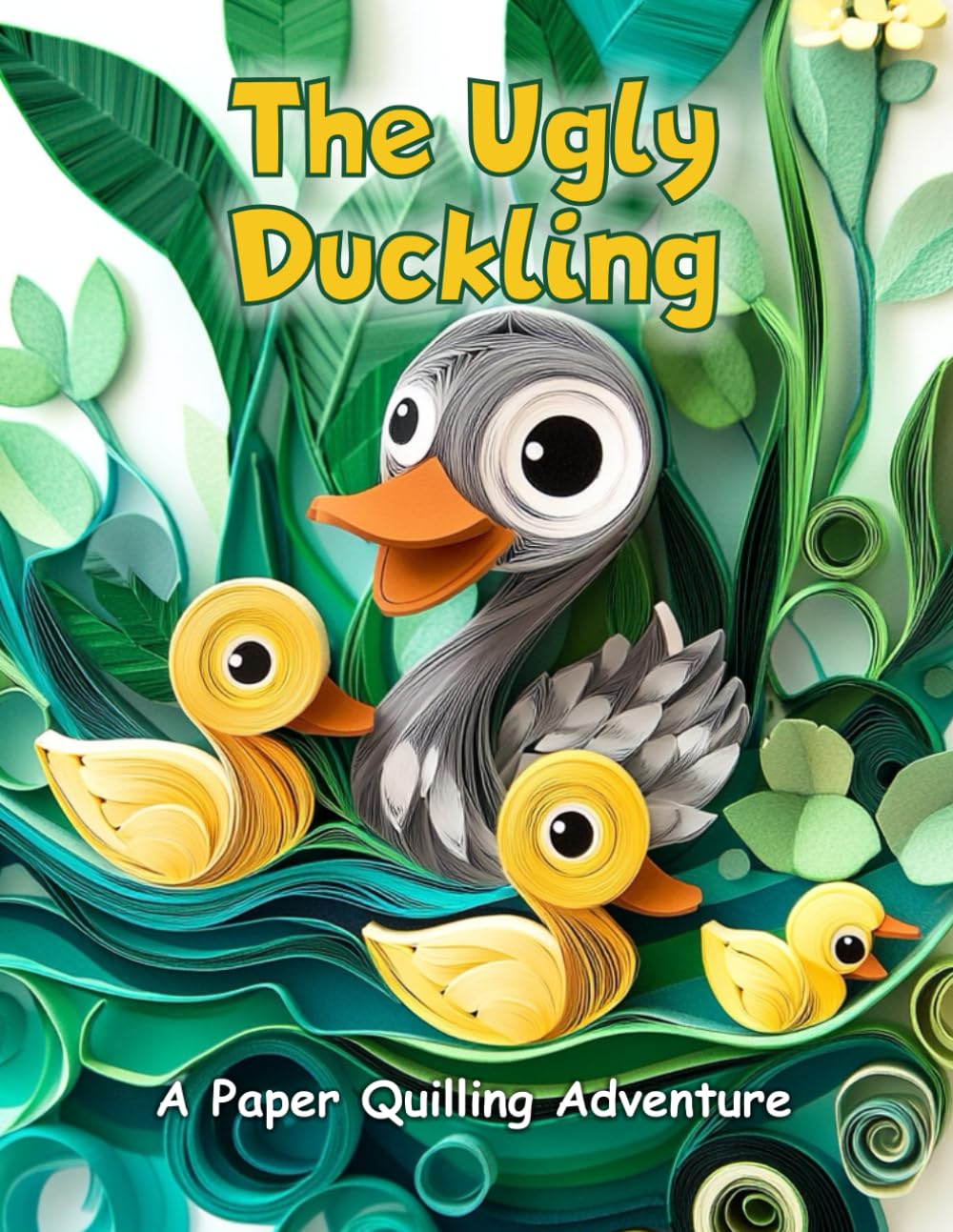
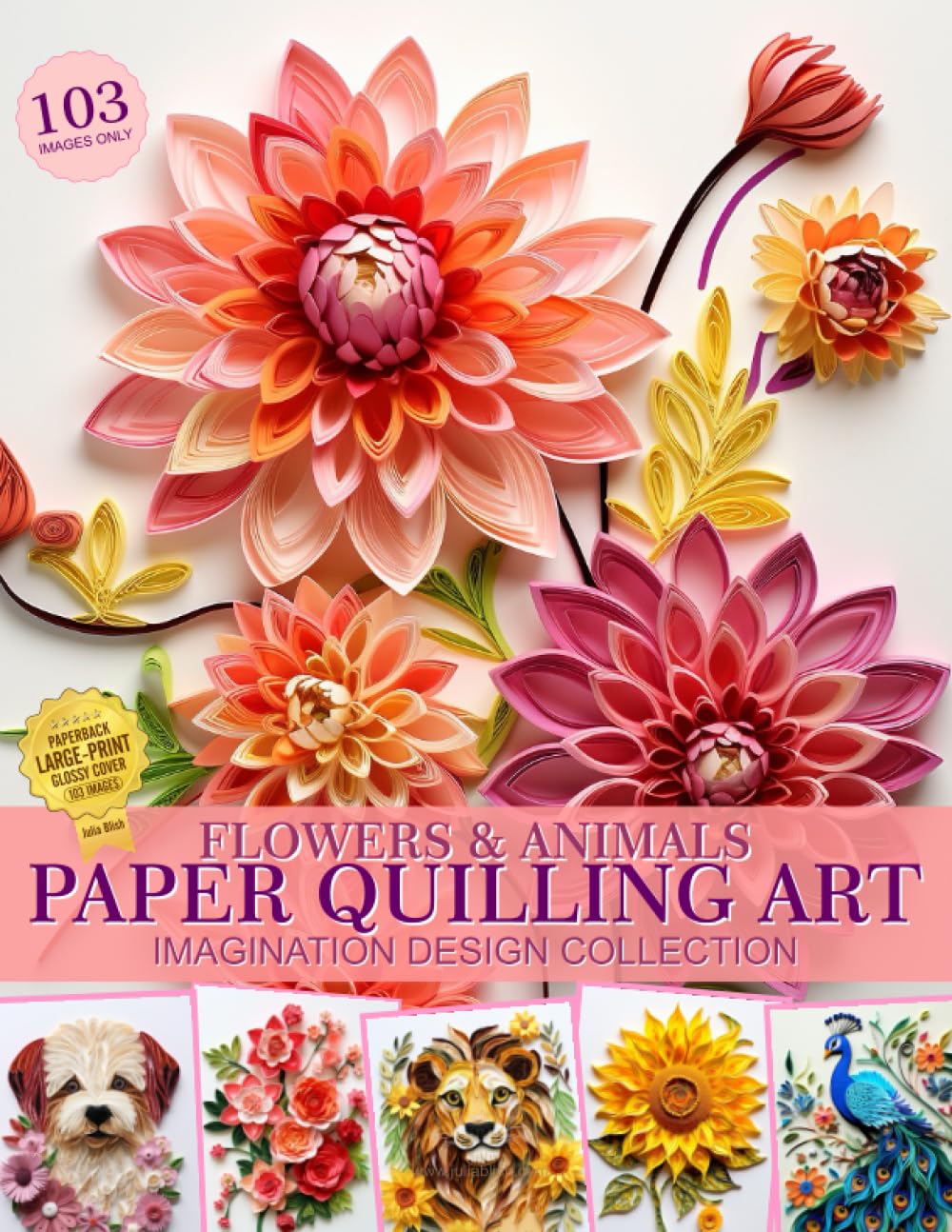
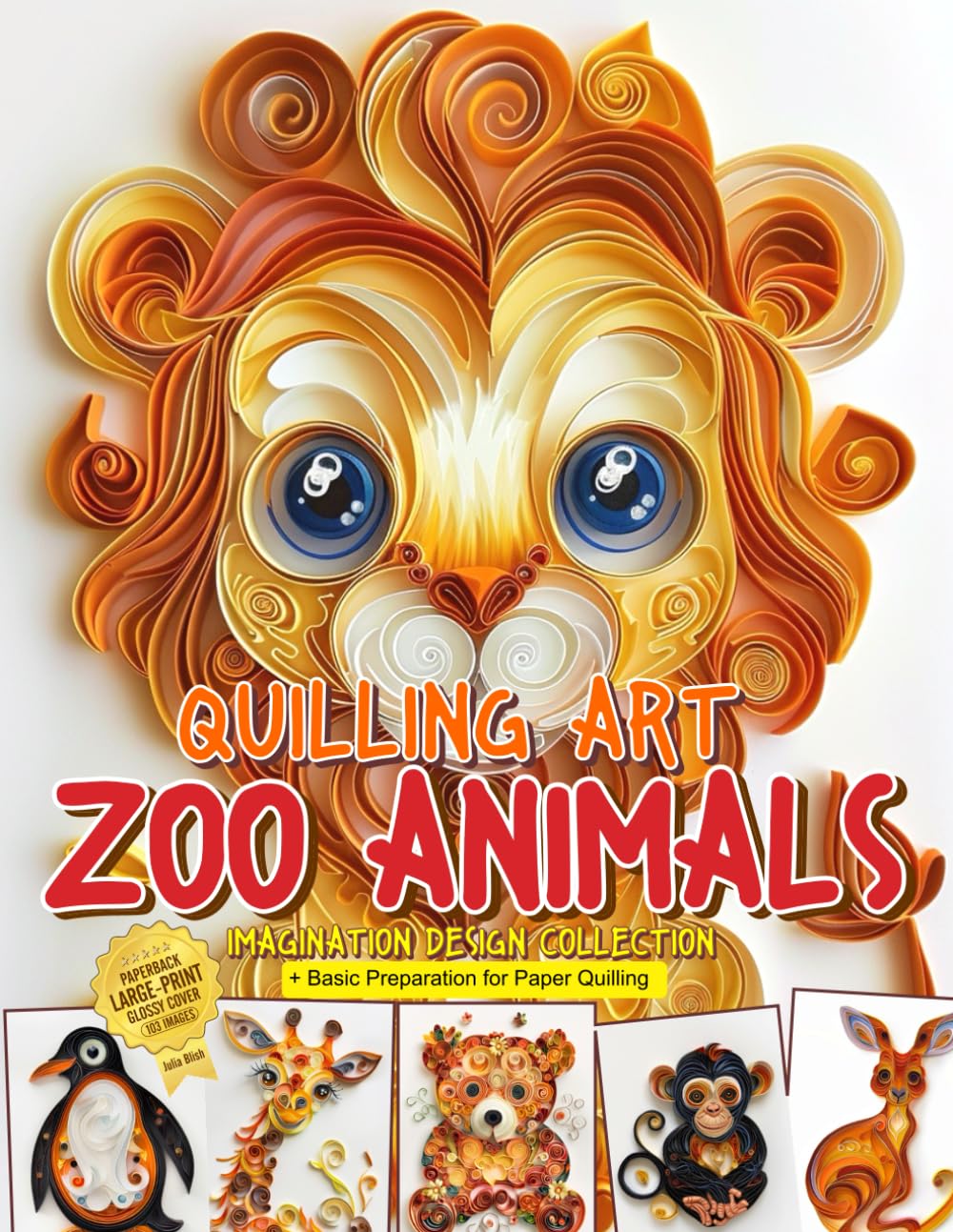
Every few months a reader asks me the same question: "Julia, where should I actually sell my quilled art and craft kits?" It's a fair question, because the marketplace landscape keeps shifting. As someone who has sold paper-quilling supplies, coloring books, and craft patterns online for years, I wanted to share an honest, up-to-date look at where crafters are finding success in 2026, along with a few cautionary notes.
Etsy: Still the Default, But Fees Sting More
Etsy remains the first stop for most handmade sellers, and its search traffic is genuinely valuable if your listings are well-photographed and keyword-rich. That said, transaction and offsite ad fees have crept up again this year, and many sellers report that Etsy's algorithm now favors shops that run frequent sales or use Etsy Ads. If you sell on Etsy, budget for marketing costs as part of your pricing, not as an afterthought.
Amazon Handmade: Great Reach, Strict Rules
Amazon Handmade continues to attract crafters who want access to Amazon's enormous customer base, especially for gift-season sales. The tradeoff is a stricter approval process and less flexibility in how your storefront looks compared to Etsy. For paper-quilling kits and pre-made art pieces, Amazon Handmade can work well, but expect a slower ramp-up and more rigid category requirements.
Newer Maker-Focused Platforms Are Worth Watching
This year I've noticed several smaller, maker-first marketplaces gaining traction by promising lower fees and more curated, craft-specific audiences. These platforms often lack Etsy's search volume, but their buyers tend to be highly engaged and willing to pay a fair price for quality handmade goods. If you're diversifying, it's worth testing one of these smaller sites with a limited batch of listings before committing your full inventory.
Social Commerce Keeps Growing
Selling directly through Instagram and TikTok shops has matured significantly. Many crafters now treat these platforms as their primary storefront rather than just marketing tools. The advantage is a more personal connection with buyers who already follow your creative process, but the downside is that algorithm changes can swing your visibility overnight. Don't build your entire business on a single social platform's goodwill.
What This Means for Your Craft Business
Given all this movement, I recommend a layered approach rather than betting everything on one marketplace:
- Keep a primary storefront (Etsy or Amazon Handmade) for discoverability and search traffic.
- Test one smaller, maker-focused marketplace with a handful of listings to see if the audience fits your style.
- Use social commerce to build direct relationships and drive repeat customers, but always collect emails so you're not fully dependent on any single platform.
- Revisit your pricing every few months, factoring in updated fees and ad costs so you're not quietly losing money on each sale.
For those of us who make paper-quilled art, coloring books, or craft kits, the tools change but the fundamentals don't: clear photos, honest descriptions, and consistent branding still outperform any algorithm trick. Marketplaces will keep adjusting their fee structures and features, but a loyal customer base built on good communication and quality work travels with you no matter where you decide to sell.
My advice for the rest of 2026: pick one primary platform to master, experiment cautiously elsewhere, and keep your own website or mailing list as the anchor that no marketplace change can take away from you. That's the safest long-term strategy for any craft business, quilling included.