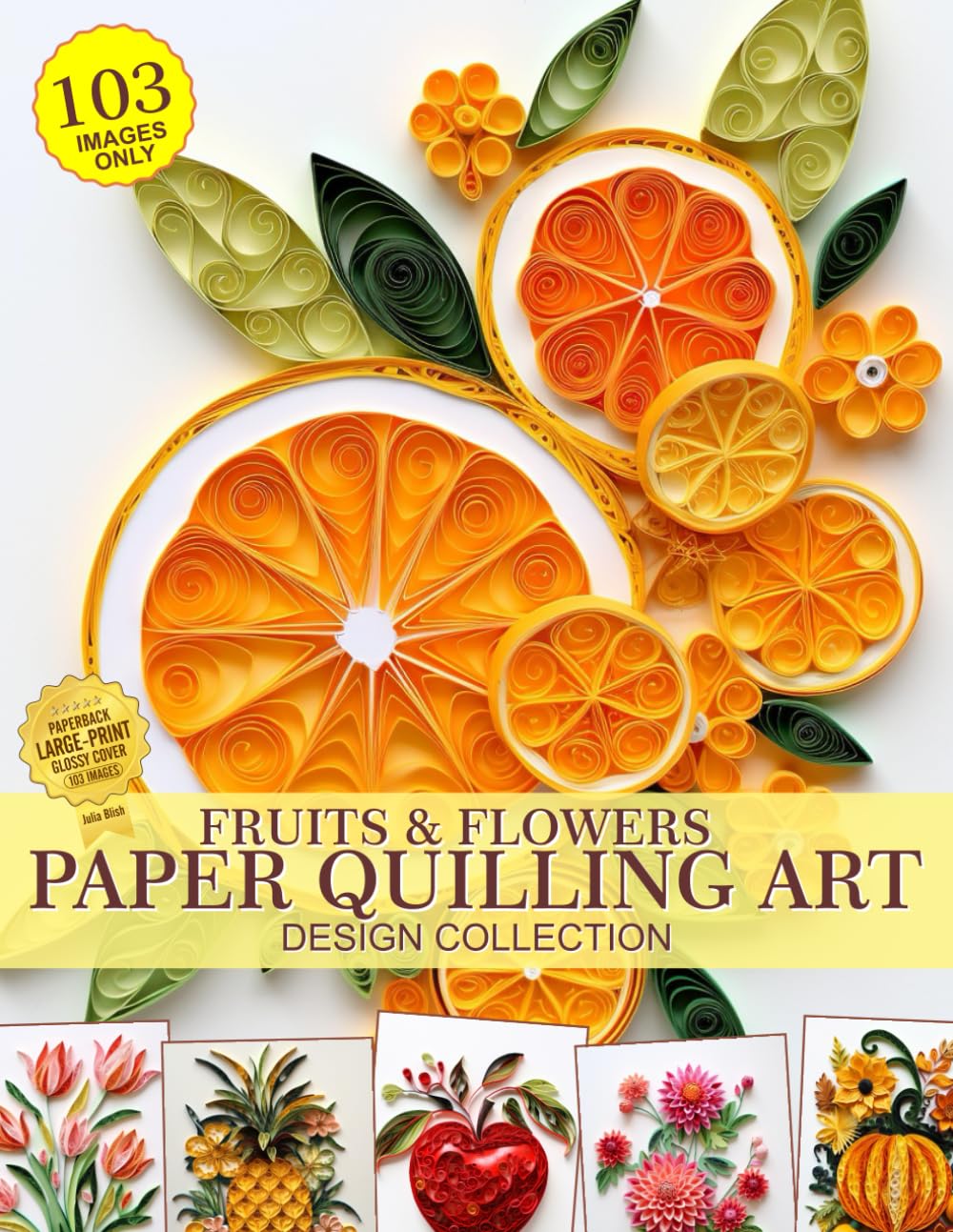
There's a wonderful moment that happens to almost every crafter: friends and family start asking, "Would you sell me one of those?" If you've been quilling delicate flowers, filling coloring books with vibrant scenes, or stacking up handmade cards for every occasion your loved ones celebrate, you may already be sitting on a small business without realizing it. In 2026, there has never been an easier time to turn a beloved hobby into a source of income, whether you want a few extra dollars for supplies or a full creative career.
Start With What You Already Love Making
The best crafts to sell are the ones you'd make anyway. If you love the meditative rhythm of rolling quilling paper into tight coils, lean into that. Customers can tell the difference between a maker who is passionate and one who is just churning out product. Your enthusiasm becomes part of what people are paying for.
- Make a list of the projects you finish fastest and enjoy most
- Ask which pieces get the most compliments from friends
- Consider what feels sustainable to repeat dozens of times
Choose Your Selling Platform
You don't need a storefront to start earning from your craft. Many quillers and colorists begin small and scale up as demand grows.
- Etsy or similar handmade marketplaces for finished pieces and kits
- Local craft fairs and farmers markets for face-to-face sales
- Instagram or Pinterest shops to build a following around your style
- Selling printable coloring pages or quilling patterns as digital downloads
- Teaching a class at a local craft store or community center
Digital products deserve special mention here. If you enjoy designing coloring pages or quilling templates, you can sell the same file over and over with no additional materials cost. This is a fantastic way to earn passive income alongside your physical craft sales.
Price for Your Time, Not Just Your Materials
One of the most common mistakes new craft sellers make is underpricing. It feels awkward to charge what your work is worth, especially when you love making it. But your time, skill, and years of practice have real value.
- Track how long a piece actually takes you, including planning and cleanup
- Add up the cost of paper, tools, adhesive, and packaging
- Multiply your hourly rate goal by the time spent, then add materials
- Round up rather than down when you're unsure
Remember that handmade goods carry a story. A customer buying a quilled ornament isn't just buying paper and glue; they're buying the hours of care that went into each tiny coil.
Build a Simple Brand
You don't need a logo designer or a big budget to look professional. Consistency is what matters most.
- Pick two or three colors that represent your style and use them everywhere
- Photograph your work in natural light against a simple background
- Write a short, warm bio explaining why you craft
- Use the same name and profile photo across every platform
Keep the Joy Alive
It's easy for a beloved hobby to start feeling like a job once money enters the picture. Protect your creative spark by setting boundaries.
- Decide how many hours a week you're willing to devote to selling
- Say no to custom requests that don't excite you
- Keep at least one project going purely for yourself, with no price tag attached
Making money from your craft is absolutely possible, and thousands of quillers, colorists, and paper artists are proving it every day. Start small, price fairly, and let your genuine love for the craft shine through every piece you sell. The extra income is wonderful, but the confidence you gain in calling yourself a maker is priceless.