If you've ever finished a paper-quilled ornament or a hand-colored masterpiece and thought, "Someone would actually pay for this," you're not alone. Every year, more hobbyists turn their creative passion into a side income or even a full business. The best part? You don't need a huge studio or a business degree to start. You just need a plan, a little patience, and the willingness to share your work with the world.
Here's how to take your craft from a beloved pastime to a genuine money-maker in 2026.
Start With What You Already Love Making
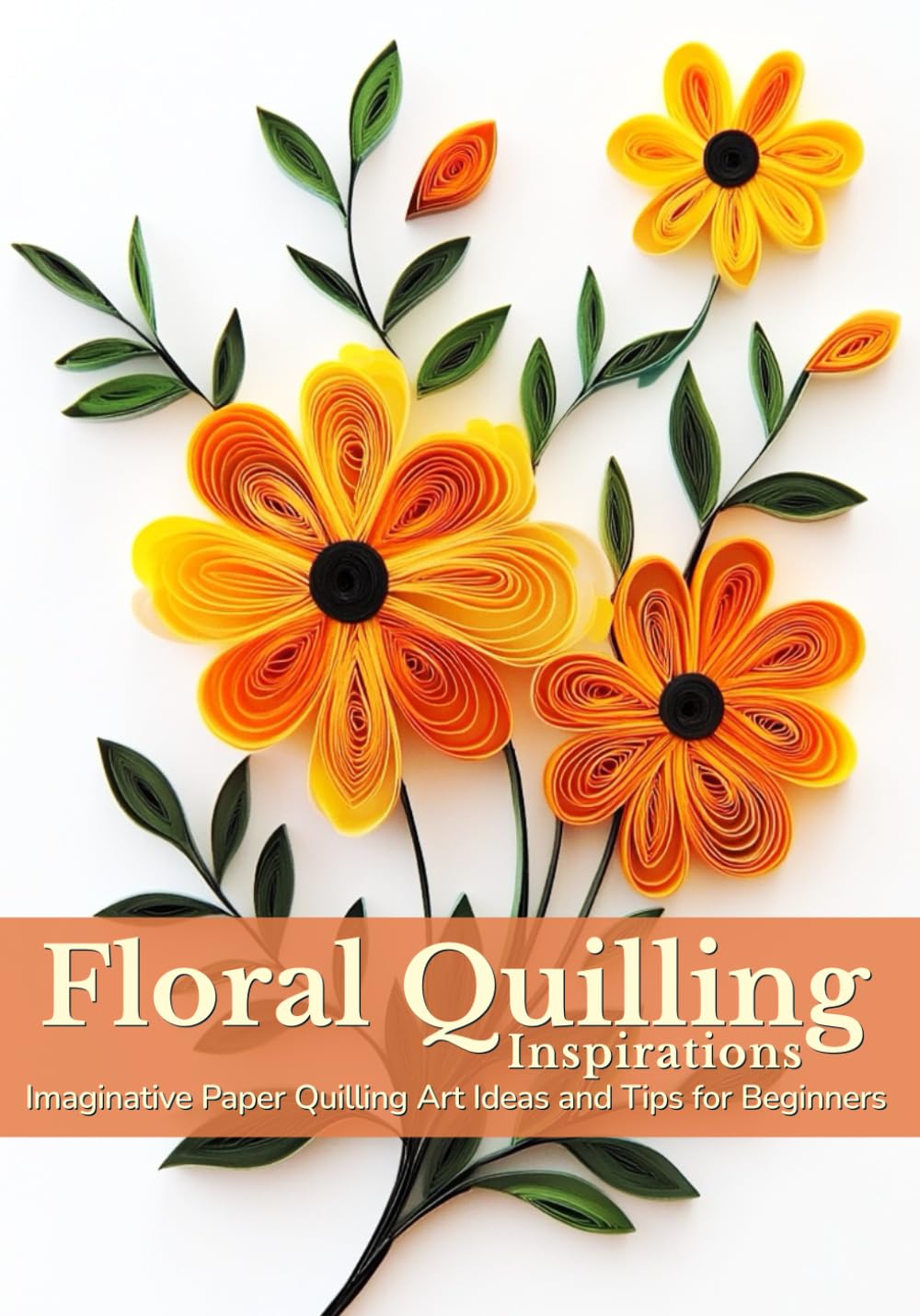
The most sustainable craft businesses come from projects you'd make even if nobody paid you for them. If you love quilling intricate floral wall art, or coloring detailed mandalas, that joy translates into quality work customers can feel. Don't force yourself into a trendy niche just because it seems profitable — burnout kills momentum faster than slow sales ever will.
Identify Your Sellable Product
Not every hobby item needs to become a finished product for sale. Consider these popular formats:
- Finished pieces (quilled art, greeting cards, framed designs)
- Kits that let others make the project themselves
- Printable patterns or coloring pages sold as digital downloads
- Custom commissions for weddings, nurseries, or memorials
- Classes or tutorials teaching your specific technique
Many crafters find that a mix of these — say, finished cards plus a downloadable pattern — creates multiple income streams from a single skill set.
Set Prices That Respect Your Time
One of the biggest mistakes new craft sellers make is underpricing. Add up your materials, then estimate your hours and multiply by a fair hourly rate, even if it's modest at first. A quilled greeting card that takes two hours to make isn't a $5 item — it's closer to $20–$35 once your time and skill are factored in. Confidence in your pricing often increases sales, because it signals quality.
Choose the Right Platform
You don't need a fancy website to start selling in 2026. Consider:
- Etsy or similar handmade marketplaces for finished products and kits
- Instagram or TikTok to build an audience and drive traffic to your shop
- Local craft fairs and pop-up markets for face-to-face sales and feedback
- Print-on-demand or digital download platforms for coloring pages and patterns
Start with one platform, get comfortable, then expand. Trying to manage five sales channels at once as a beginner often leads to overwhelm.
Build a Simple Brand
You don't need a logo designer or a branding consultant. A consistent color palette, a clear product photography style (natural light and a clean background go a long way), and a friendly, authentic voice in your product descriptions will set you apart more than expensive branding ever could.
Reinvest Before You Expect Big Profits
Early income should go back into better materials, packaging, or photography equipment before it becomes personal spending money. Quality packaging alone can increase perceived value and encourage repeat customers and referrals.
Protect Your Joy
It's worth saying clearly: not every hobby needs to become a business, and that's okay. If turning your craft into income starts draining the joy from it, it's fine to scale back or keep parts of your practice purely for yourself. Many successful crafters keep a personal, non-commercial project alongside their business ones specifically to protect their creative spark.
Making money from your hobby in 2026 is more accessible than ever, thanks to digital platforms, print-on-demand tools, and communities of makers supporting each other online. Start small, price fairly, and let your genuine love for the craft shine through — customers can always tell the difference between something made with passion and something made just to sell.