There's a special kind of magic in a hobby that fills your evenings with color, curls of paper, and quiet satisfaction. But what happens when friends start asking, "Could I buy one of those?" or "Do you sell these anywhere?" If you've been quilling, coloring, or crafting for a while, 2026 is a wonderful time to explore turning that talent into a small income stream. Here's how to start, without pressure and without losing what you love about the craft in the first place.
Start With What You Already Make
You don't need a brand-new product line to begin earning. Look at what you already create for fun — quilled earrings, framed paper art, hand-colored greeting cards, custom bookmarks. These are often the easiest first sellable items because you already know how to make them well and quickly.
- Quilled jewelry and ornaments make great low-cost, high-margin items
- Hand-colored art prints or cards appeal to gift shoppers
- Custom coloring pages designed around a theme (weddings, birthdays, pets) are in demand
Choose Your Selling Platform
You don't have to build a website overnight. Many crafters start small and grow from there.
- Etsy or similar marketplaces: Great for reaching craft-loving buyers already searching for handmade goods
- Local craft fairs and markets: Perfect for testing prices and getting instant feedback
- Instagram or Pinterest: Build an audience around your process, not just finished pieces
- Digital downloads: Sell printable coloring pages or quilling patterns with zero shipping hassle
Price for Your Time, Not Just Materials
One of the biggest mistakes new craft sellers make is underpricing. Paper quilling especially is time-intensive — a single earring might take 30 minutes of careful rolling and shaping. When pricing, calculate: materials cost + your hourly rate + a bit extra for packaging and platform fees. It's tempting to price low to make sales, but sustainable income means valuing your hours fairly from day one.
Diversify Beyond Physical Products
Selling finished pieces is only one path. Many crafters find equally rewarding income through teaching and sharing knowledge.
- Offer a local workshop at a library, craft store, or community center
- Create a simple online tutorial or video course
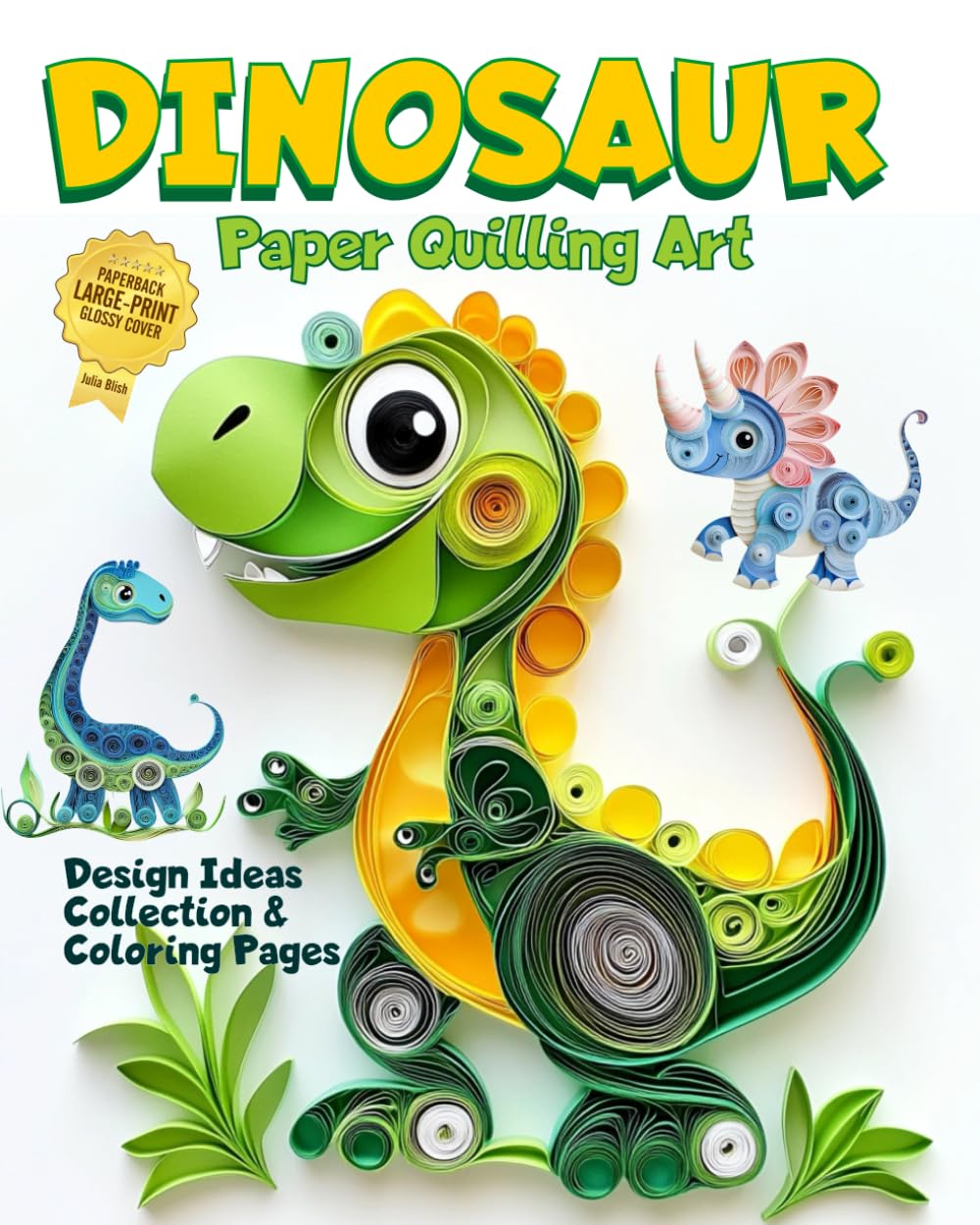
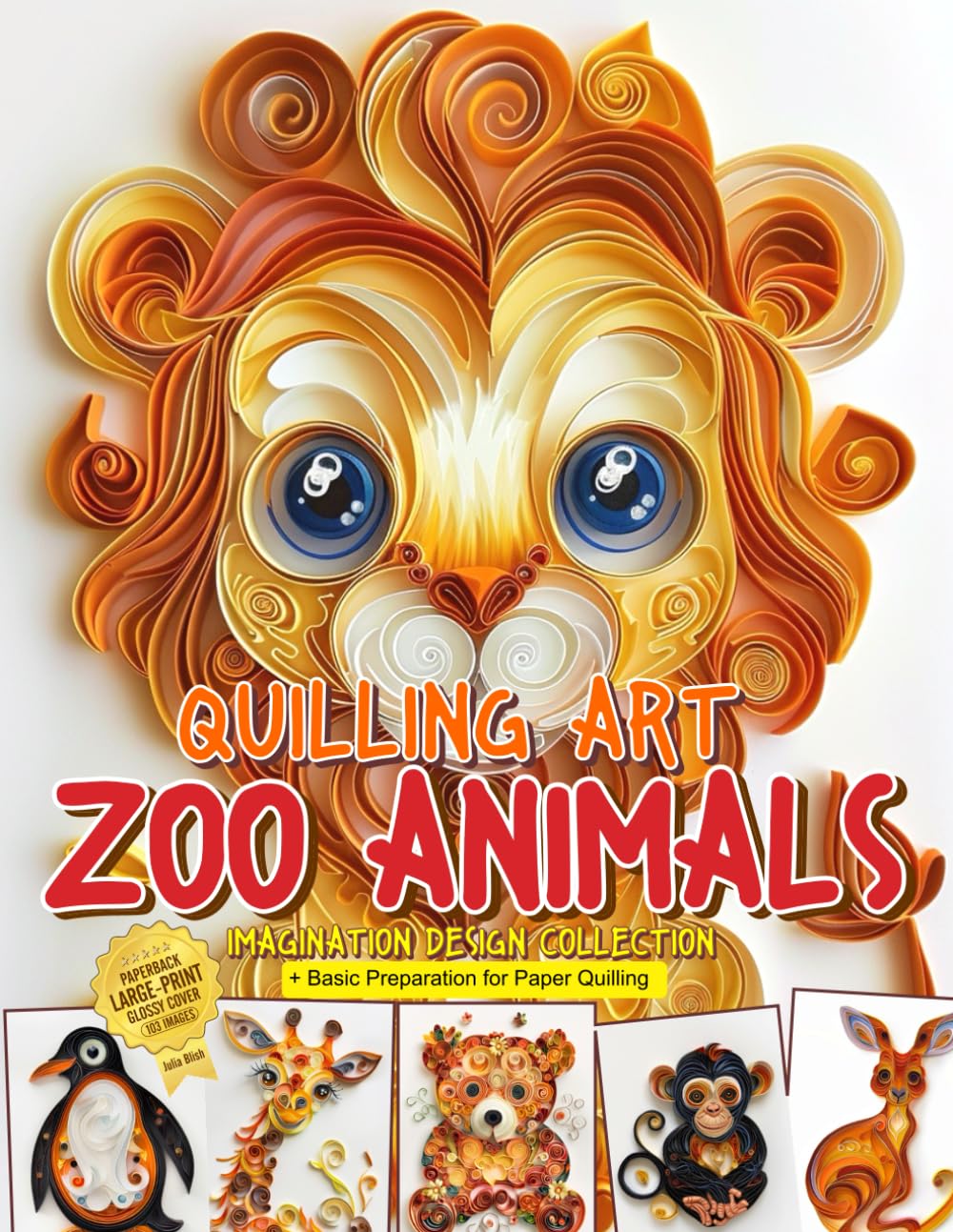
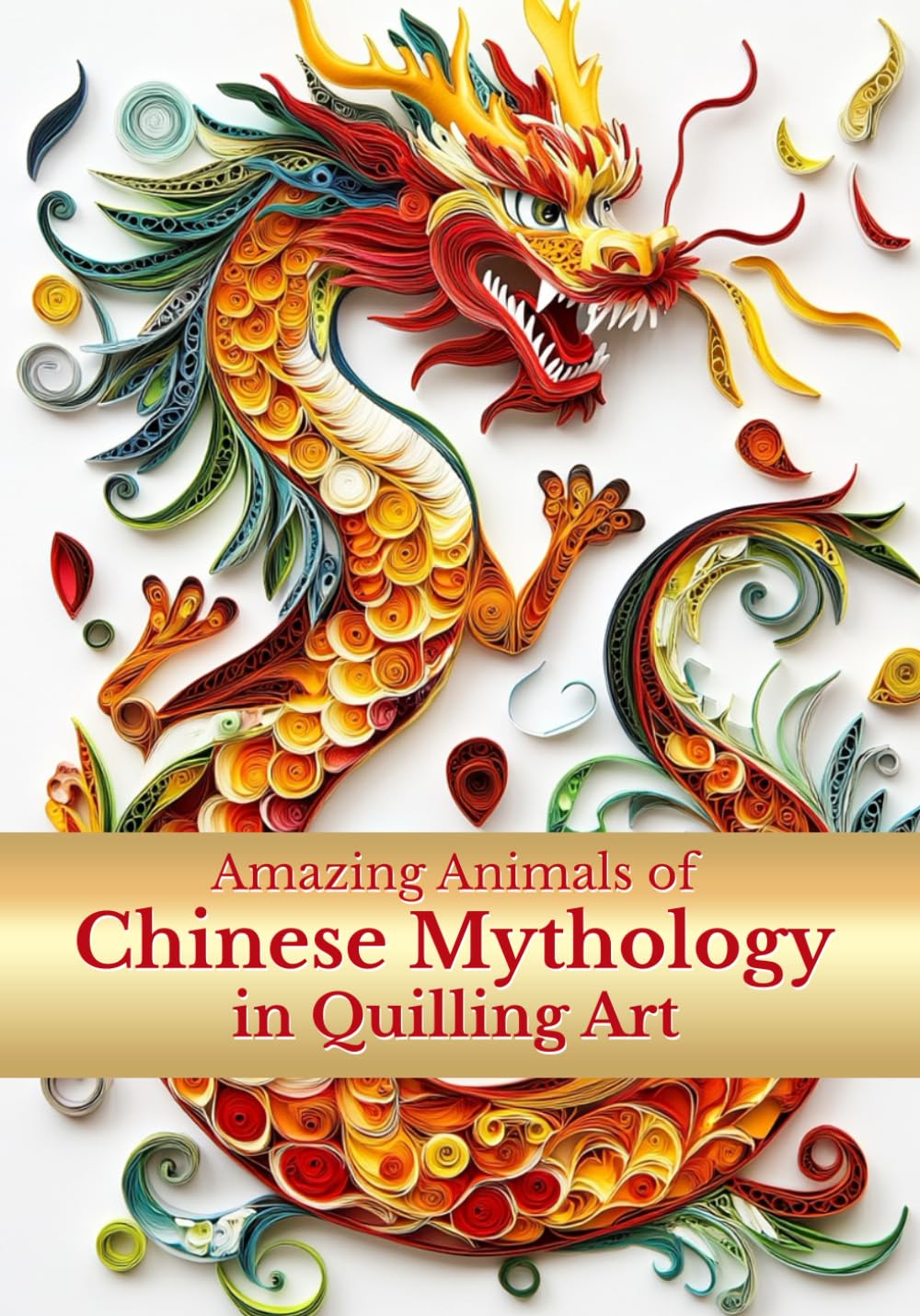
- Write and sell your own pattern or coloring book, just like many published craft authors do
- Build a small email list offering monthly project ideas for a subscription fee
Teaching what you know often earns more per hour than selling handmade pieces, and it builds a loyal community around your work.
Keep the Joy Alive
It's easy for a beloved hobby to feel like a chore once money enters the picture. Protect your creative energy by setting boundaries — maybe you only take custom orders one week a month, or you keep a personal project going that's never for sale. Many successful craft businesses started as "just for fun" side projects that grew slowly and naturally, without ever losing that original spark.
Start Small, Stay Consistent
You don't need a full product catalog or perfect branding to begin. List one item. Teach one small class. Share one tutorial. Consistency over months matters more than a flashy launch. Many crafters find that within a year of steady, small effort, their hobby income covers craft supplies, then gift budgets, then eventually becomes a meaningful part of their household income.
Whether your goal is covering the cost of your paper and glue or building toward a full creative business, the path starts the same way: with one piece, made with care, shared with someone willing to pay for the joy you've put into it. Your hobby already has value — now it's just about finding the right way to share it with the world.