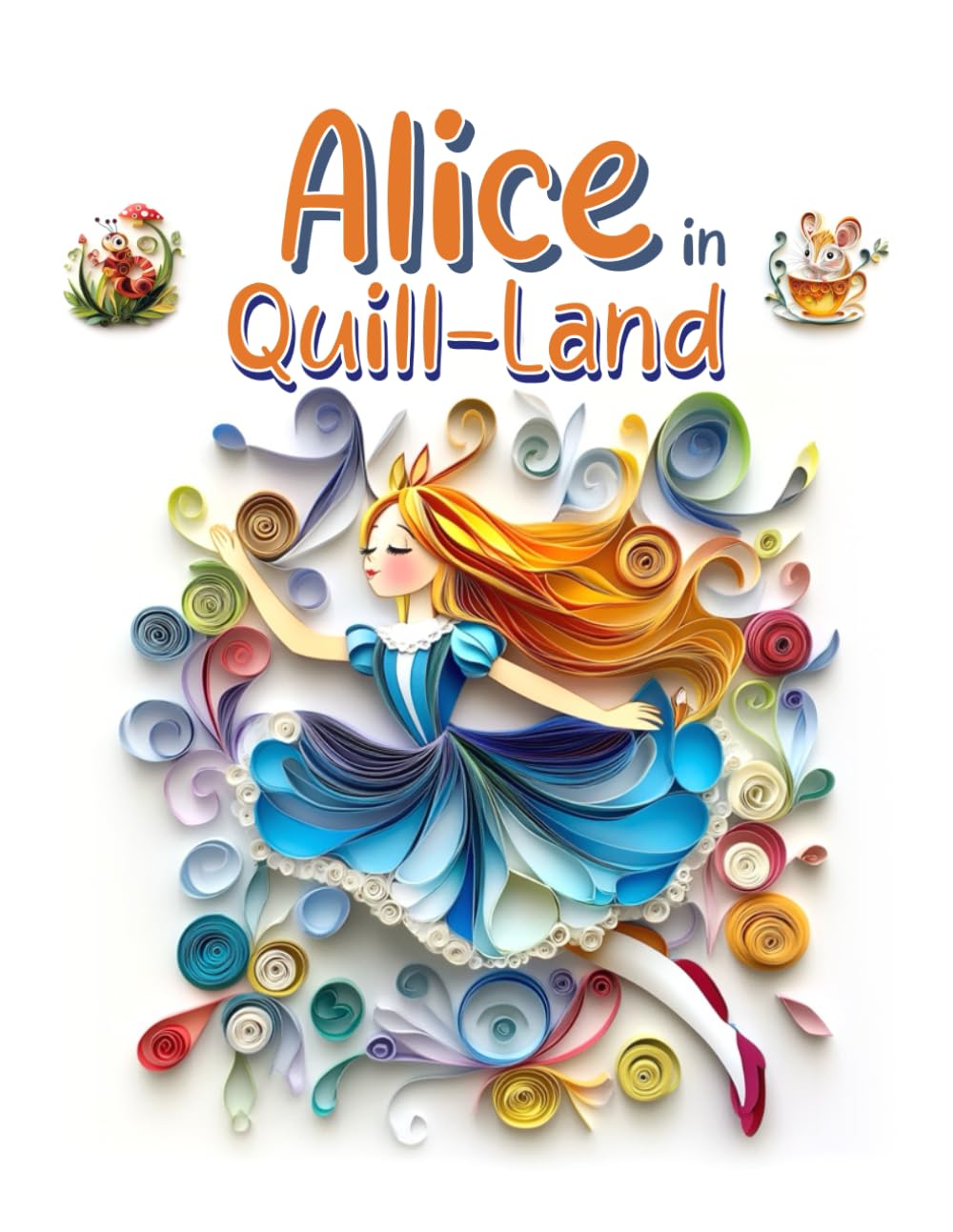
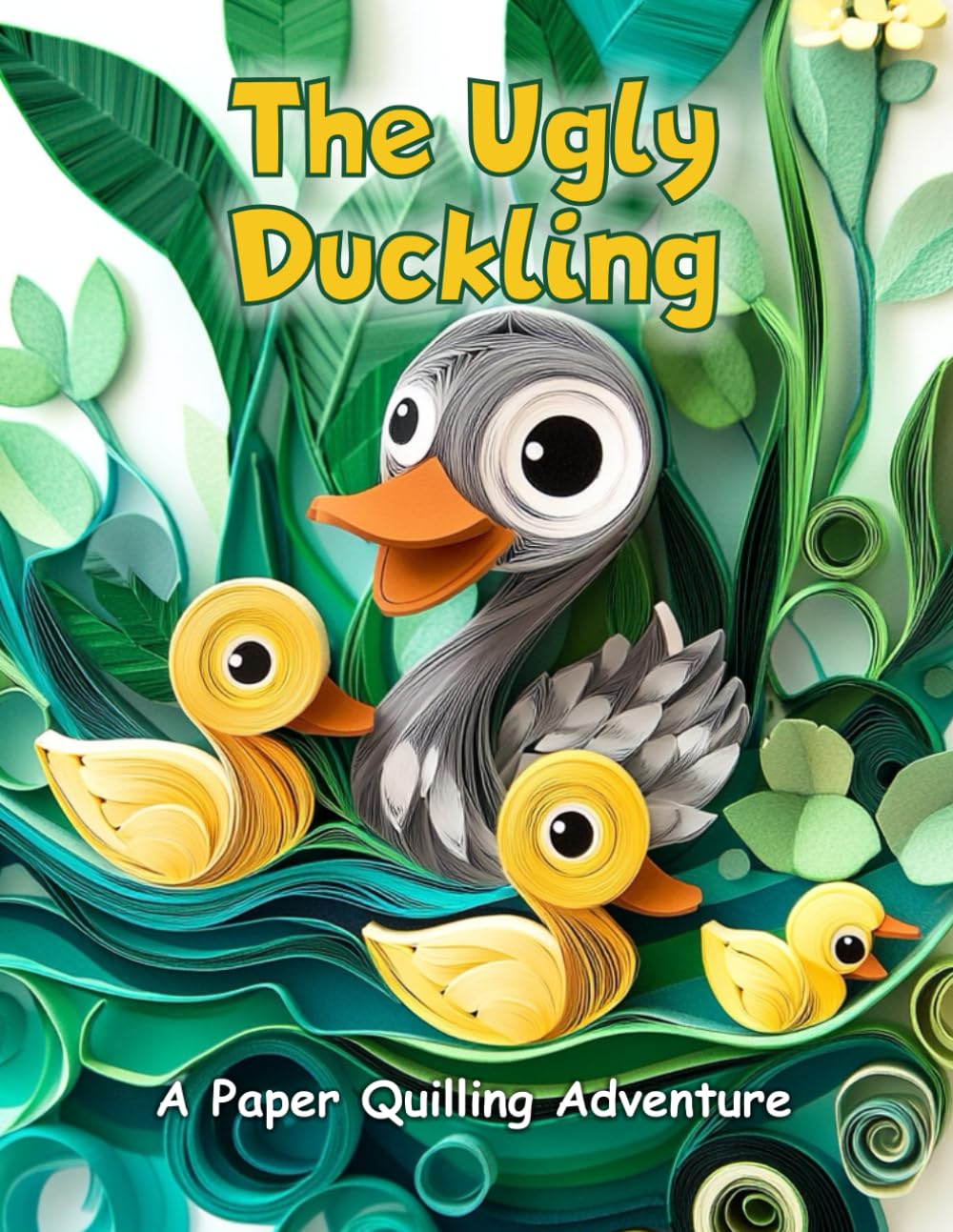
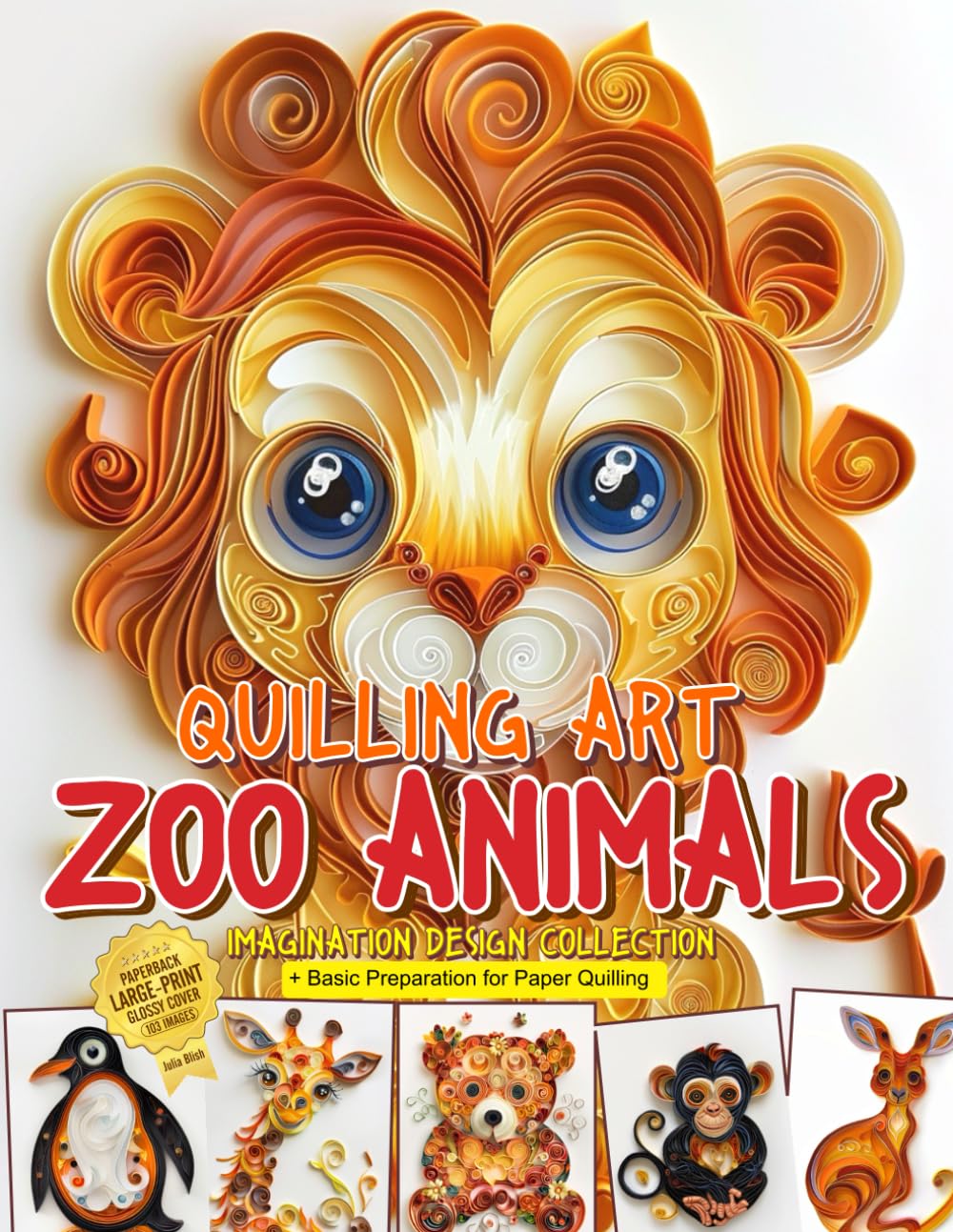
There's a special kind of magic in finishing a paper-quilled flower or coloring a page just the way you imagined it. If you've ever had someone say "you should sell that," you're not alone. Plenty of hobbyists are turning their craft tables into small businesses in 2026, and you don't need a huge following or fancy equipment to start. Here's how to ease into making money from your craft without losing the joy that got you hooked in the first place.
Start With What You Already Love Making
The best products come from projects you'd make anyway. If you adore quilling intricate florals, don't force yourself into making generic keychains just because they seem trendy. Buyers can feel the difference between a piece made with genuine enthusiasm and one made purely for profit. Make a list of your five favorite things to create, and start there.
Test the Waters Before You Invest
Before buying bulk supplies or building a website, test demand cheaply:
- Post finished pieces on Instagram or Pinterest with a simple "DM me if interested" caption
- Bring a small batch to a local craft fair or church bazaar
- Offer a few items to friends and family at a friendly discount in exchange for honest feedback
- List one or two pieces on Etsy to see if they get views or favorites
This low-risk testing tells you what people actually want to buy, which is often different from what you assumed.
Choose Your Selling Format
There isn't one right way to monetize a craft hobby. Consider which of these fits your life right now:
- Finished products – quilled greeting cards, framed art, colored bookmarks
- Digital downloads – printable coloring pages or quilling patterns customers make themselves
- Kits – pre-cut quilling strips or coloring supplies bundled with instructions
- Teaching – local workshops, online classes, or a paid tutorial series
- Custom commissions – personalized pieces for weddings, nurseries, or gifts
Digital products and patterns are especially appealing because they take time to create once but can sell repeatedly without you remaking each item by hand.
Price for Your Time, Not Just Materials
New crafters often undercharge because they only count the cost of paper or ink. Remember to factor in your time, the years of skill you've built, packaging, and platform fees. A simple formula: (materials cost + hourly rate x hours spent) x 1.5 for overhead and profit. It may feel uncomfortable at first, but pricing too low undervalues your craft and makes it harder to sustain as a real income source.
Build a Simple, Consistent Presence
You don't need to be everywhere online. Pick one platform, whether that's Etsy, Instagram, or a small email newsletter, and show up consistently. Share your process, not just finished pieces. People love seeing the messy middle of a quilled masterpiece coming together, and it builds trust before they ever buy.
Protect the Joy
It's easy for a beloved hobby to start feeling like a job once money enters the picture. Set boundaries early:
- Keep at least one project going that's just for you, never for sale
- Say no to custom requests that don't excite you
- Take breaks without guilt, even during busy seasons
A sustainable craft business is built on a hobby you still love five years from now, not one you burn out on in five months.
Start Small, Stay Curious
You don't need a grand business plan to start earning from your craft. List one item this week. Teach one friend a quilling technique for a small fee. Share one printable coloring page. Small, consistent steps add up, and before long, that hobby table might just be paying for its own supplies, or more.