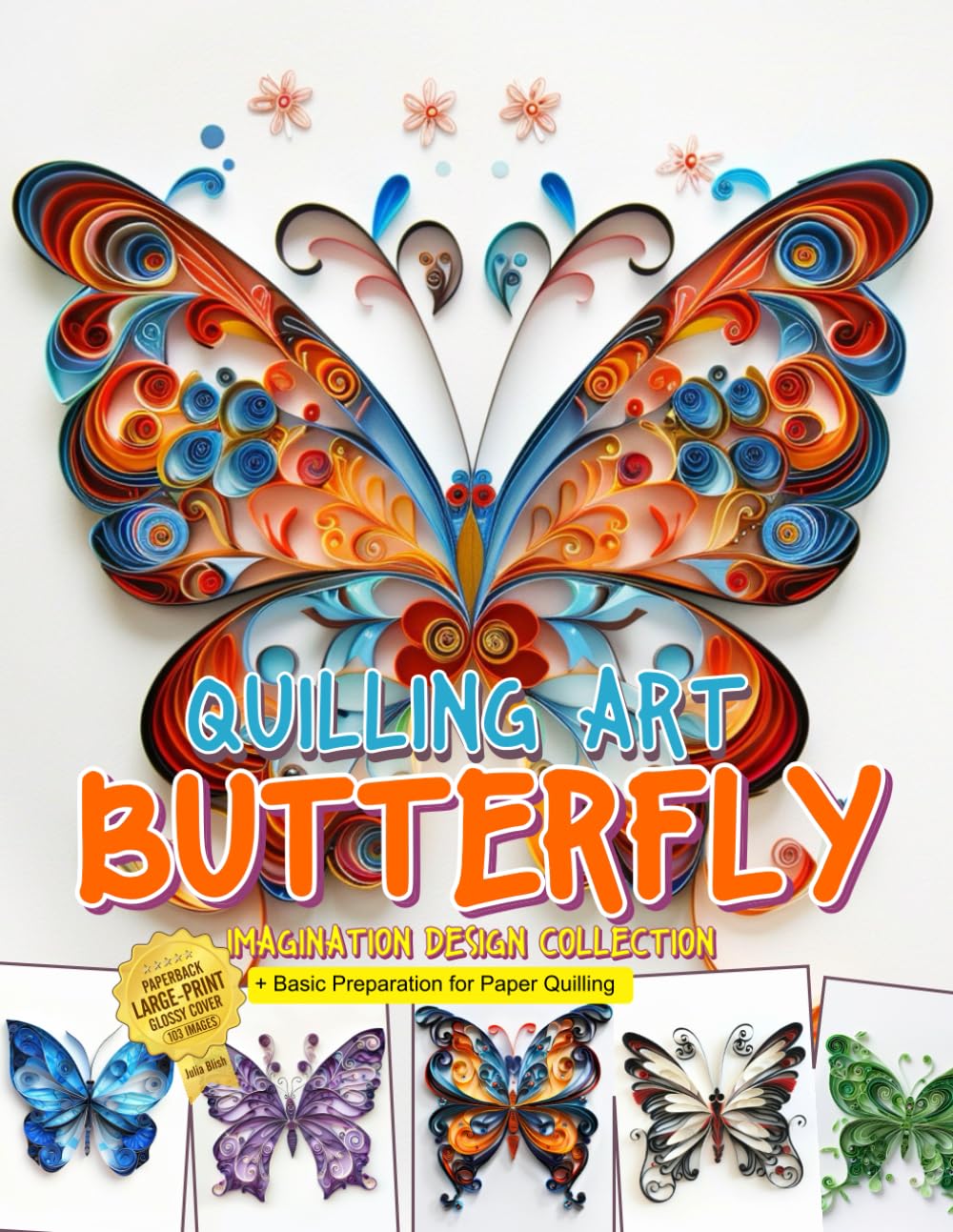
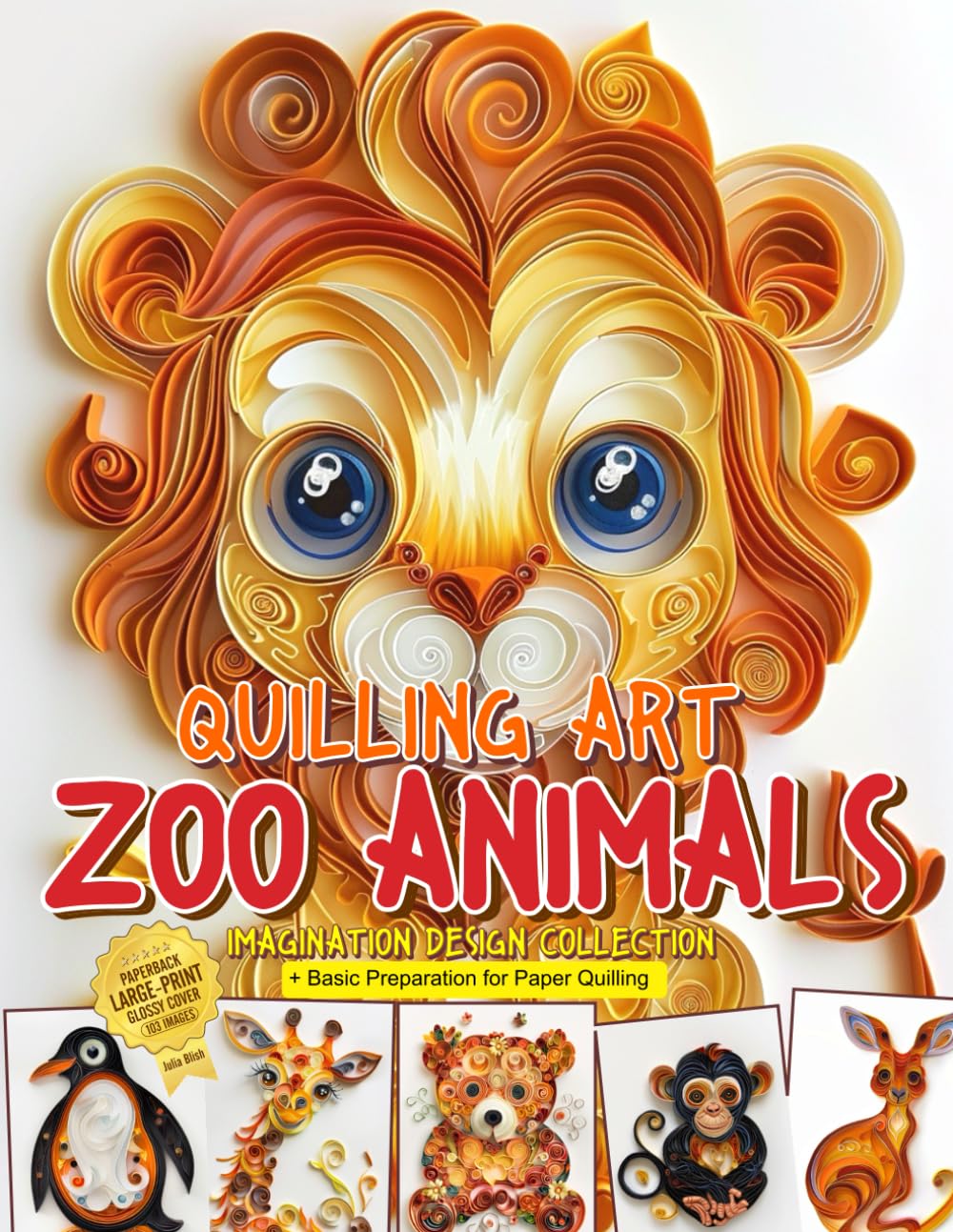
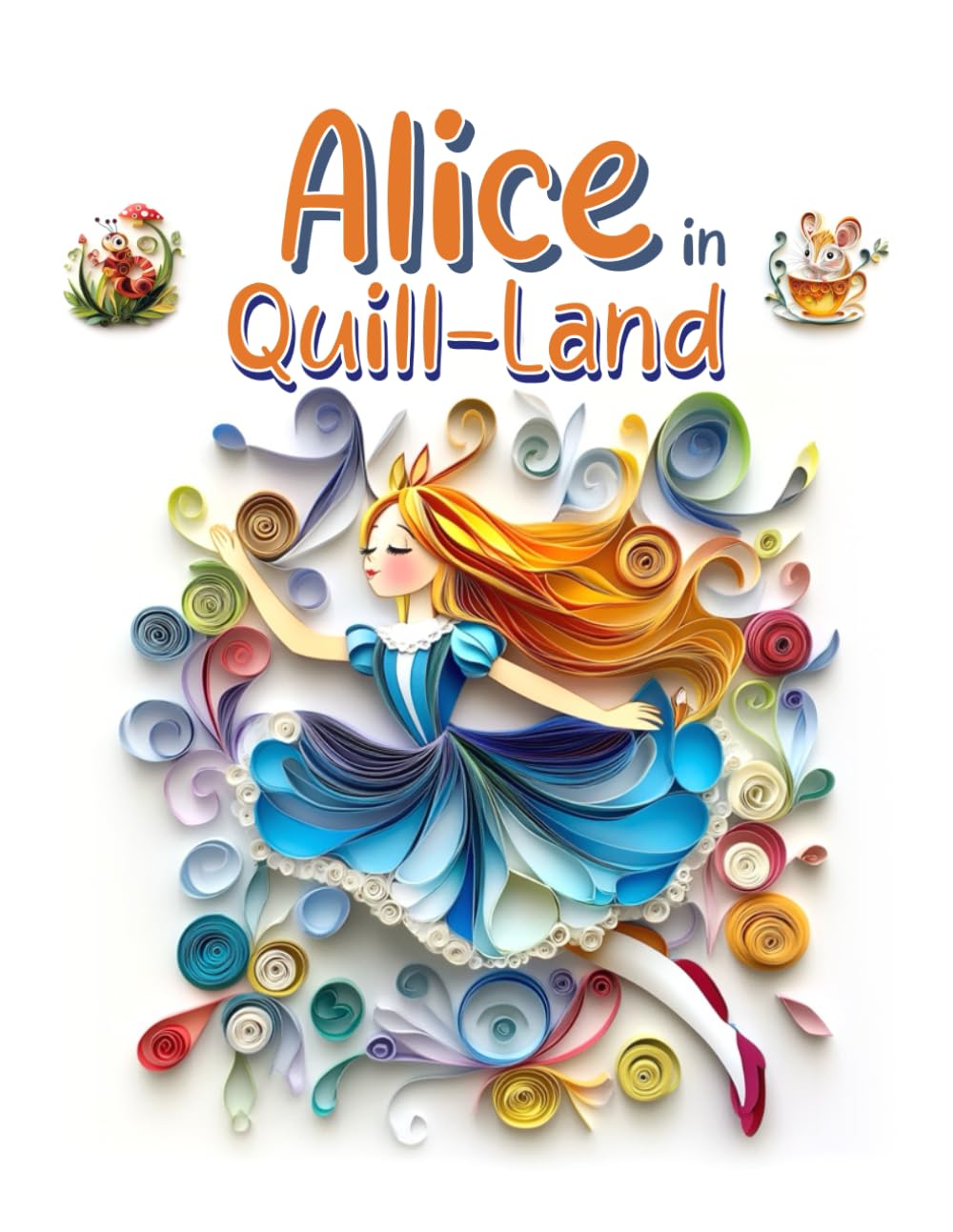
Papercraft is one of the most rewarding hobbies because it turns simple, affordable materials into stunning works of art. Whether you're new to quilling, coloring, or paper cutting, or you've been at it for years, there's always a new trick to discover. Here are some of my favorite papercraft tips and ideas to help you level up your projects in 2026.
Choosing the Right Paper
The paper you choose can make or break your project. Different techniques call for different weights and finishes.
- For quilling, use strips specifically cut for that purpose—they hold curls better than regular cardstock.
- For card making, 80-110 lb cardstock gives you sturdy bases that won't warp with glue or ink.
- For coloring pages, choose thicker paper (at least 32 lb) if you're using markers, since it prevents bleed-through.
- Always test a scrap piece before committing to your final project, especially with new paper brands.
Essential Tools Worth the Investment
You don't need a huge toolkit to get started, but a few quality tools make a noticeable difference in the finished look of your work.
- A good pair of sharp, fine-tip scissors for detail cutting.
- A bone folder for crisp, clean creases every time.
- A slotted or needle quilling tool, depending on your preferred coiling style.
- Precision tweezers for placing tiny paper pieces without smudging glue everywhere.
- A self-healing cutting mat to protect your workspace and your blades.
Tips for Cleaner, More Professional Results
Small habits add up to a big difference in how polished your finished piece looks.
- Apply glue with a toothpick or fine-tip applicator instead of squeezing straight from the bottle—this prevents excess glue from seeping out and staining your paper.
- Work on a clean, dry surface and keep a damp cloth nearby to wipe your fingers between steps.
- Let each layer or element dry fully before adding the next, especially in dimensional projects like paper flowers or layered cards.
- Use a light table or bright window when tracing patterns, so your lines stay accurate and clean.
Fresh Ideas to Try This Season
If you're looking for new project inspiration, consider mixing techniques for a fresh twist on classic papercraft styles.
- Combine quilling with watercolor backgrounds for cards that have both texture and soft color depth.
- Turn coloring book pages into 3D shadow boxes by cutting out sections and layering them with foam adhesive.
- Create seasonal wreaths using rolled paper flowers in autumn or winter color palettes.
- Try “paper mosaics” by cutting small colored squares and arranging them into a larger image, a great activity for both adults and kids.
- Repurpose old greeting cards or magazine pages into new quilled or layered art—it's budget-friendly and great for the environment.
Storage and Organization Tips
A tidy workspace helps your creativity flow more freely. Store paper strips and cardstock flat to avoid curling, and use labeled bins or drawer organizers by color or paper weight. Keep your quilling tools in a small pouch so they don't get lost among other supplies, and always store finished pieces in acid-free sleeves if you plan to keep or gift them.
Final Thoughts
Papercraft is a hobby that rewards patience and experimentation. Don't be afraid to try new techniques, mix styles, or repurpose materials you already have at home. The more you practice these small tips, the more natural your process will feel—and the more beautiful your finished pieces will become. Grab your favorite paper, set aside a quiet afternoon, and let your creativity unfold one fold, curl, or cut at a time.